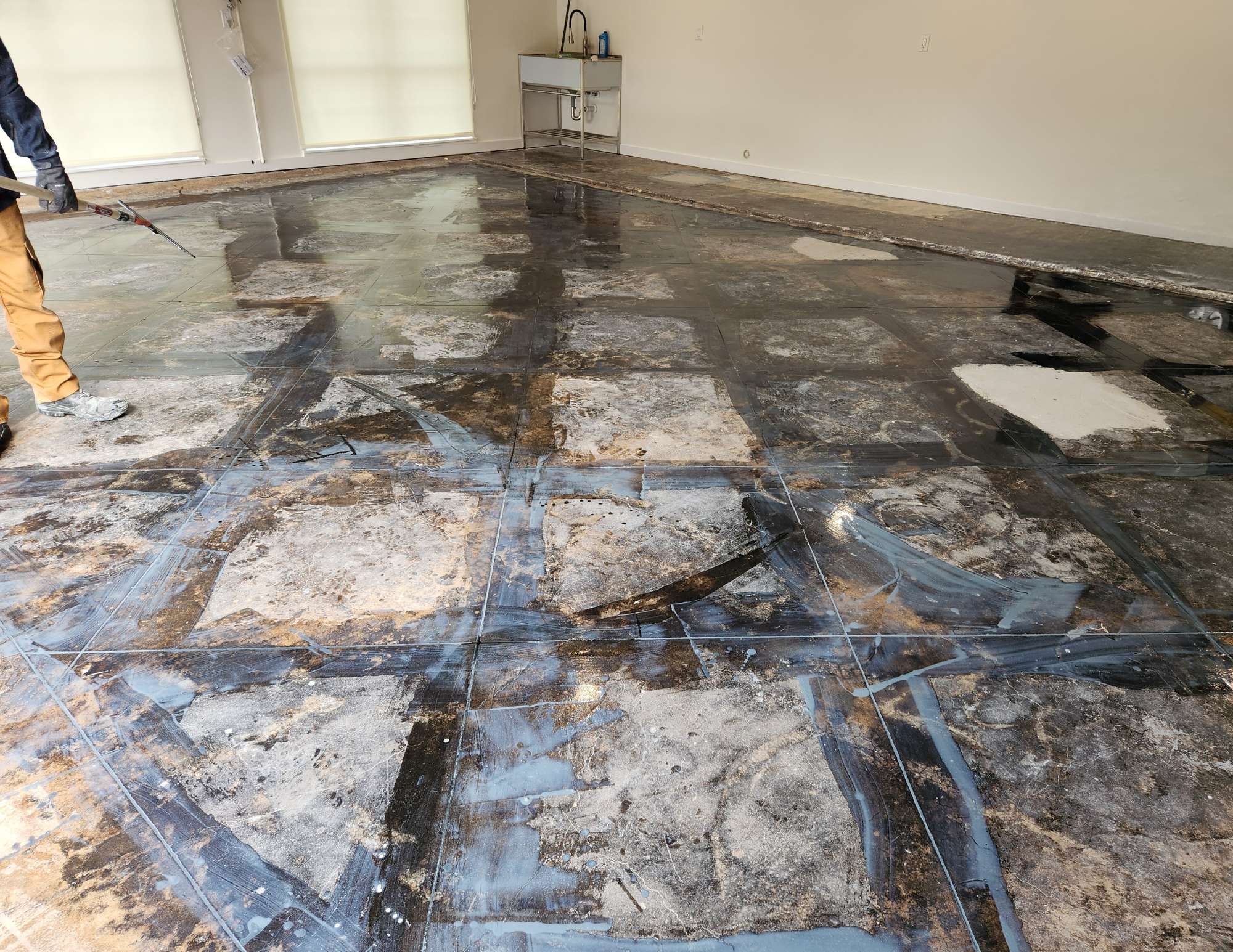
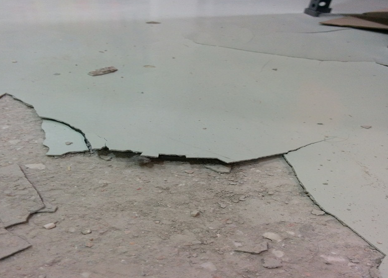
Polyurea garage floor coating is a strong, fast-curing material commonly used to protect concrete surfaces. It is a legitimate option for garage floors, but it is not always the best system for residential use. Understanding how polyurea works, where it excels, and where it falls short will help you make the right decision before choosing a garage floor coating.
This page explains what polyurea is, how it’s used in garage flooring systems, its advantages and disadvantages, and how it compares to epoxy and polyaspartic coatings.
Polyurea is often discussed alongside epoxy and polyaspartic because all three are used in garage floor coatings. The key differences come down to durability, curing speed, UV stability, cost and long-term performance.
Epoxy – Slower cure, more affordable upfront, prone to yellowing and wear over time
Polyurea – Very fast cure, strong base coat material, sensitive to application conditions
Polyaspartic – Advanced formulation with strong durability, UV stability, and consistent residential performance
Polyurea is a type of polymer that belongs to the polyurethane family. It is commonly used to coat concrete floors, roofs, tanks, and industrial surfaces where fast curing and chemical resistance are required.
Polyurea is known for:
Rapid curing times
Strong adhesion
High chemical resistance
Because it cures extremely quickly, polyurea is often used in environments where downtime must be minimized.
Polyurea is commonly used in garage floor coating systems, but most residential installations do not rely on polyurea alone. In practice, polyurea is most often used as a base coat rather than a complete finished system.
Many professional installers pair a polyurea base coat with a polyaspartic topcoat. This approach combines fast curing with improved surface performance, since polyaspartic provides better UV stability, color retention, and long-term appearance.
For homeowners, the overall performance of the entire system matters more than the individual material used in a single layer.
Polyurea has several real advantages when used correctly.
Polyurea cures very quickly, which helps reduce downtime during installation. This is one reason it is often selected as a base layer in multi-coat systems.
When applied under the right conditions, polyurea bonds well to properly prepared concrete surfaces.
While these benefits are meaningful, they are most impactful when polyurea is combined with a UV-stable, wear-resistant topcoat designed for residential garages.
Polyurea naturally spreads evenly during application, helping create a smooth and uniform surface when installed properly.
Despite its strengths, polyurea is not without drawbacks, especially in residential garage environments.
Polyurea can be susceptible to color changes when exposed to UV light. In garages with windows or frequent door exposure, this can affect long-term appearance. Polyaspartic topcoats are commonly used to address this issue.
Polyurea cures extremely fast, which makes application more sensitive to temperature and humidity. This leaves less margin for error compared to coatings designed specifically for residential environments.
Some polyurea formulations can produce noticeable odors during installation, making proper ventilation important.
Moisture present in the concrete or environment during installation can impact adhesion and finish quality.
While DIY kits exist, achieving professional-quality results with polyurea is challenging without experience and specialized equipment.
Because of these factors, polyurea is rarely used as a standalone residential garage floor coating. It is most effective as part of a broader system rather than the finished surface.
Polyurea and polyaspartic are closely related materials, but they are designed for different roles in garage floor coating systems.
Polyurea is valued for:
Extremely fast curing
Strong base-layer performance
Polyaspartic is preferred for:
UV stability
Long-term color consistency
Residential durability
Predictable installation results
For most homeowners, a full polyaspartic system offers more consistent performance and better long-term results than polyurea-based or mixed systems.
Polyurea can be a useful component in garage floor coating systems, particularly as a base layer. However, when evaluating options for a residential garage, most homeowners benefit more from systems built around polyaspartic coatings.
Polyaspartic systems are engineered specifically for residential use, offering better UV stability, long-term appearance, and overall reliability. For these reasons, they are often the preferred choice for homeowners seeking a durable, low-maintenance garage floor.
MyGarageFloors.com is an online platform with in-house installers dedicated to helping homeowners upgrade their garage floors using advanced coating systems. We focus on polyaspartic garage floor coatings because they consistently outperform traditional epoxy garage floor coatings and polyurea-only systems in real residential conditions.
Polyurea is a strong, fast-curing material and can be used for garage floor coatings. However, in residential garages, it is most commonly used as part of a system rather than as a complete standalone solution. For homeowners looking for long-term durability and appearance stability, polyaspartic systems are often the better choice.
Polyurea is frequently used as a base coat because it cures very quickly and is less expensive than polyaspartic. This allows installers to move fast while still finishing the system with a polyaspartic topcoat that provides better UV stability, color retention, and long-term performance.
Polyurea can yellow when exposed to UV light, especially in garages with frequent sun exposure. For this reason, polyaspartic topcoats are commonly used because they offer superior UV stability and help maintain color over time.
Polyurea generally performs better than epoxy in terms of curing speed and chemical resistance. However, when comparing residential garage floor systems, polyaspartic coatings typically provide more consistent long-term performance, faster installation, and better resistance to UV-related discoloration.
For most residential garages, polyaspartic garage floor coatings offer the best balance of durability, appearance, fast installation, and long-term reliability. This is why many modern garage floor systems are built around polyaspartic rather than epoxy or polyurea alone.
Choosing a garage floor coating is about more than just the material name. Understanding how each coating performs over time — and how it fits into a complete system — helps homeowners make confident, informed decisions.
For residential garages, polyaspartic systems continue to set the standard for performance, appearance, and long-term value.
Mygaragefloors.com is an online platform with in-house installers dedicated to helping homeowners upgrade their garage floor with a superb Polyaspartic floor coating at the lowest price in the nation.
Stop wasting time on sales meetings.
Save your time and avoid their commission. Get your garage floor coatings installed today at the lowest price.

CRAZY CHRISTMAS
10% Off
*First 100 customers*
Use coupon code: “santa“