What a kitchen floor takes
Six things a kitchen slab deals with that a dining room floor never does.
Specify the floor around these and it lasts. Specify it around how it looks on the day it is handed over and you are closing the kitchen again in two years.
Hot grease and fryer oil
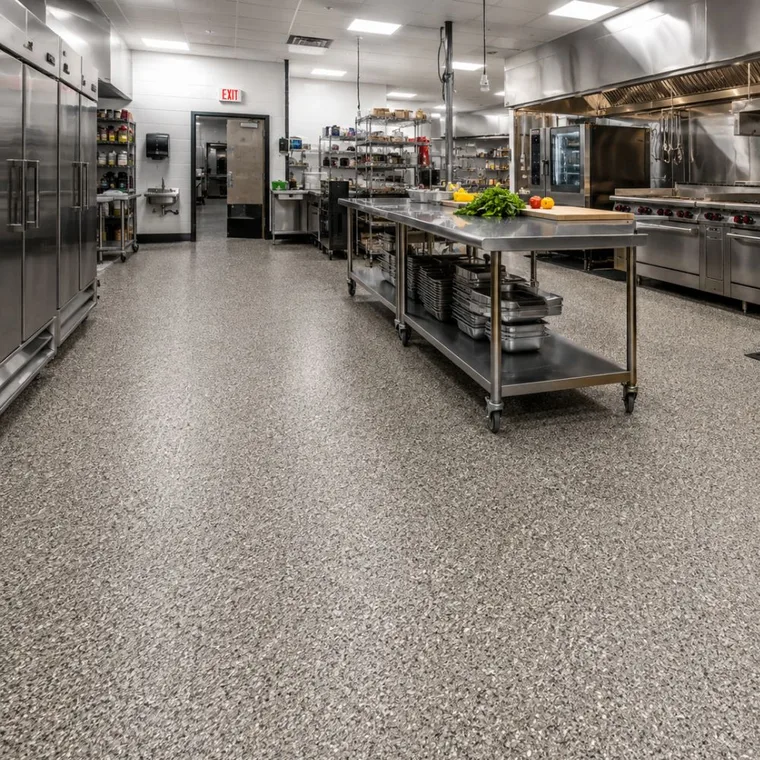
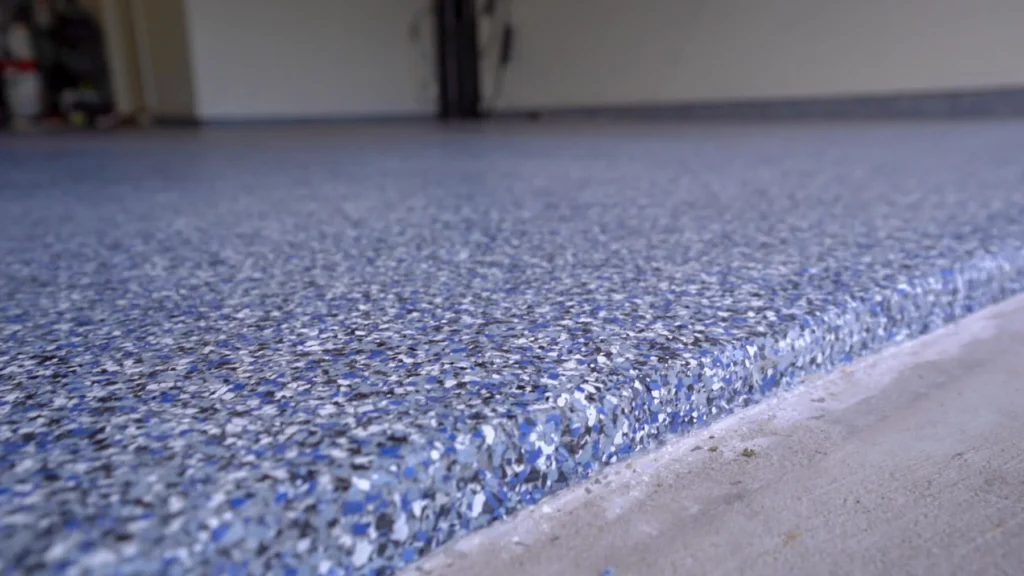
Grease finds every pinhole and every open joint, and once it is in the slab it is in for good. A sealed, coved surface keeps it on top where a degreaser can lift it, and the cove at the wall is what stops it running into the one gap nobody mops.
Boiling water and steam
Water coming off a kettle or a dish machine is hot enough to shock a coating that is bonded to old sealer rather than to concrete. Grinding the slab open is what makes that bond hold, which is why we grind rather than etch.
Food acid and sugar
Tomato, citrus, vinegar and sugar syrup all attack a floor in their own way, and in a kitchen they land on it daily rather than occasionally. Chemical resistance is a specification, not a bonus, and it is one of the things the site walk settles.
Degreaser, every night
Kitchen cleaning is aggressive by design. The floor gets a caustic degreaser and a deck brush at the end of every service, and it has to take that for years without hazing, softening or lifting at the edges.
Standing water at the dish pit
The dish pit and the ice machine are wet all day, so that is where grip matters most and where a floor fails first. We specify the aggregate in the top coat by station rather than putting one texture across the whole room.
Speed racks, hot pans and dropped steel
Castors drag, racks get shoved into corners and steel gets dropped. A kitchen floor is a working surface, and the build has to be specified for the traffic rather than for the photograph.